Our platform
CASE STUDY:
Learn how IKEA saw a 17% reduction in CPA by connecting display, online, video, and CTV campaigns with omnichannel optimization
Recruiting fraud is a growing issue for many companies.
The Trade Desk takes this issue seriously and is taking steps to address it.
Omnichannel
Running campaigns across multiple channels can give advertisers more ways to reach people. Connecting those channels can help you see how they work together and optimize toward stronger outcomes.
Share:
Consumers interact with content across Connected TV, online video, display, audio, and other digital channels throughout the day. Your campaigns may reach them across several of those touchpoints. Yet when each channel is planned, optimized, and measured independently, you see only part of the consumer journey.
While a channel-by-channel view can tell you how each investment performed on its own, it offers less visibility into how those investments may have influenced one another. For example, did a CTV exposure make a later display impression more effective? Which combination of touchpoints was most likely to lead to a conversion?
Answering those questions can help you turn a multi-channel plan into a more connected strategy.
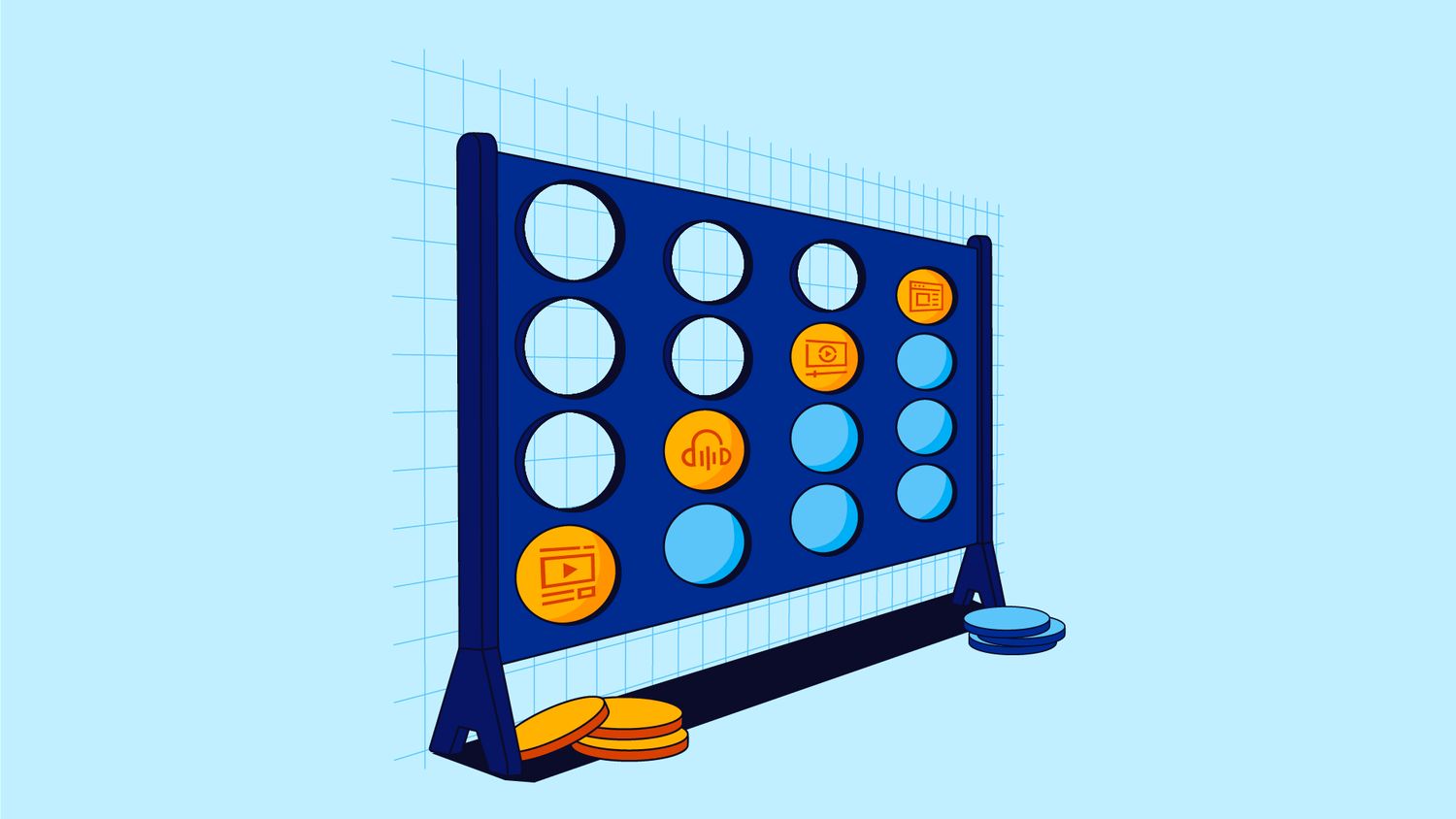
Multi-channel campaigns extend your presence across media channels. Omnichannel execution builds on that reach by coordinating channels around the same business goal.
That connection changes the decisions you can make. Instead of evaluating every media channel independently, you can begin to understand:
Which combinations of touchpoints are associated with stronger outcomes
How each channel contributes across the path to conversion
Whether coordinated delivery improves campaign performance
Where future investment can help create the most value
Having this broader view can be helpful because the final impression before a conversion doesn’t always tell the entire story. An earlier video or audio exposure may have introduced a consumer to your brand, while a later display impression helped drive action. Looking across the full path can reveal the role each channel played and help you invest according to its contribution.
Path-to-conversion reporting can show you the channel touchpoints one person encountered before converting. Acting on those insights manually across numerous campaigns can become increasingly complex as your media mix grows.
Omnichannel optimization in Kokai helps apply those learnings across campaigns that share an objective. When campaigns are organized into a conversion-based Campaign Group and the capability is enabled, the platform can adjust delivery toward the channel combinations associated with stronger conversion performance.
This enables you to:
Reach the same person or household across relevant channels
Increase overlap among complementary touchpoints
Prioritize exposure opportunities along stronger channel combinations
Optimize participating campaigns toward a common goal

See how Amanda Thai, trading strategy director at The Trade Desk, uses omnichannel optimization to optimize toward better conversion outcomes.
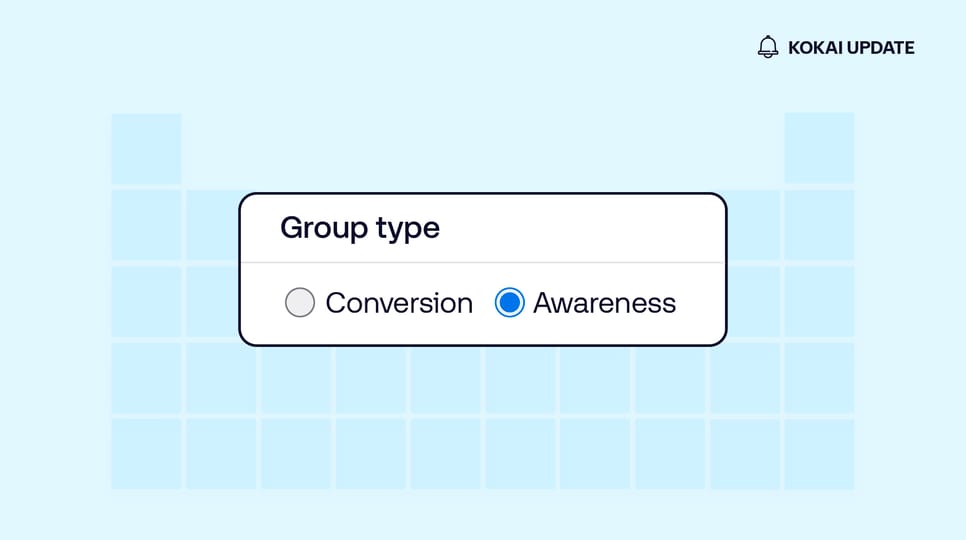
Conversion isn’t the only goal you can coordinate media channels around. With our new Awareness group type, Campaign Groups can optimize for brand awareness and unique reach. Instead of increasing overlap among touchpoints, Awareness Optimization manages household frequency across channels, bidding up on new channels and down once a household has been exposed.
These insights also show you how your channels work together as a connected system. You can use what you learn about channel combinations, overlap, and reach to decide which channels to add, how to split budget, and what to plan next.
A connected strategy should give you evidence that the coordination itself is contributing a measurable benefit, such as a higher conversion rate, a lower cost per acquisition, or greater overlap across complementary channels.
Clearer visibility into channel overlap and conversion contribution can help you separate two related questions:
How did each media channel perform?
How much additional value emerged when those media channels worked together?
That distinction can make future investment decisions more useful. Rather than adding channels based solely on their individual results, you can consider the contribution each one makes to your wider media mix.
Our platform
Learn how IKEA saw a 17% reduction in CPA by connecting display, online, video, and CTV campaigns with omnichannel optimization
Building a more connected strategy doesn’t mean redesigning your entire media plan at once. Two campaigns on different channels that share the same goal can provide a starting point for connecting activity and learning from the results.
Connecting those first two channels can help you establish the practices that support a more mature omnichannel strategy:
Group campaigns according to a clear, shared objective
Review channel overlap, conversion contribution, and path-to-conversion insights
Apply what you learn when deciding which media channels to connect next
As you expand, each additional media channel can introduce new paths to evaluate and optimize. Your strategy can become more mature as planning, optimization, and measurement become increasingly connected across the media mix.
Platform intelligence can help you identify the combinations associated with stronger outcomes, while testing can give you evidence to guide the next stage of your strategy. Over time, you can move beyond managing a collection of channel campaigns and make investment decisions based on how the full mix performs together.
Your existing channel activity may already contain the foundation for that progress. Connecting it can help you better understand how each touchpoint contributes and put those insights to work.
Ready to connect your campaigns? Reach out to your representative at The Trade Desk to learn more.
Resources Omnichannel
Insights Omnichannel
Insights Omnichannel