UP NEXT
Expand your audience strategy with the data marketplace
Strong audience strategy starts with a clear understanding of who you want to reach. While first-party customer data can provide valuable insights, it isn’t always available.

Recruiting fraud is a growing issue for many companies.
The Trade Desk takes this issue seriously and is taking steps to address it.
Omnichannel
Watch time: 1:00
Share:
For traders running campaigns across multiple media channels, understanding which touchpoints influence conversions is only part of the equation. The next step is to act on those insights efficiently.
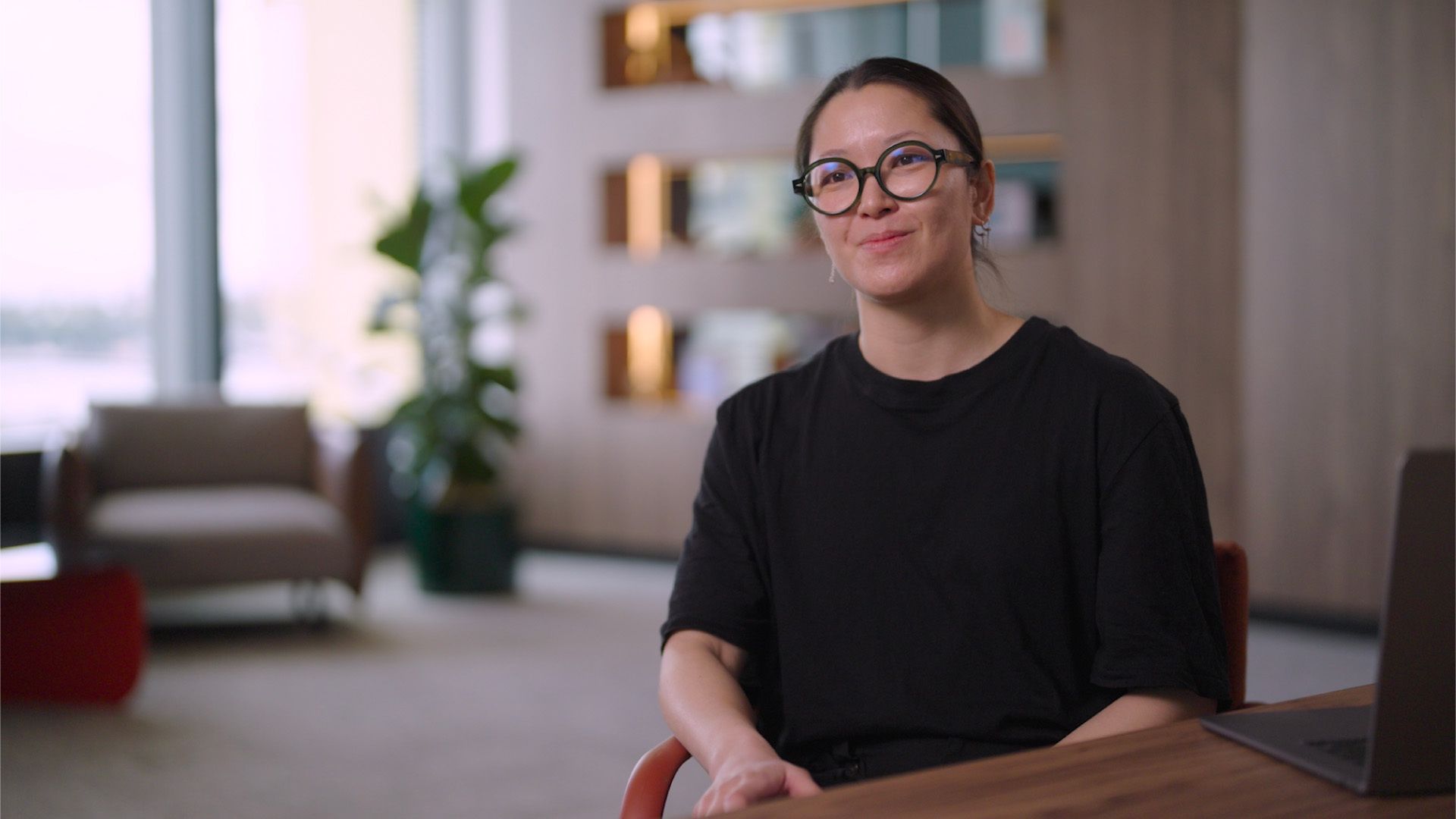
For Amanda Thai, trading strategy director at The Trade Desk in Sydney, omnichannel optimization can help turn path-to-conversion insights into better campaign performance. Rather than optimizing each channel independently, when the feature is turned on, it will automatically adjust bidding toward the channel combinations driving stronger conversion outcomes.
As Thai points out, path-to-conversion reporting provides a detailed view of every channel touchpoint a person encounters before converting. While those insights are valuable, manually identifying and optimizing the highest-performing channel paths can be time-consuming. Omnichannel optimization applies those learnings automatically, increasing channel overlap and helping guide users through the combinations of touchpoints that perform best.
That broader view also provides a more complete understanding of performance than last-touch reporting alone. Instead of attributing success to a single interaction, traders can see how multiple channels work together throughout the conversion journey and optimize accordingly.
The impact shows up in the numbers: Campaign groups that turn on omnichannel optimization are seeing meaningfully stronger results, with 95% driving higher conversion rates.1

“Path to conversion lets you see every single channel touchpoint before a user converts. Omnichannel optimization takes those learnings and automatically optimizes toward the channel paths that drive higher channel overlap and can lead to lower CPAs and higher conversion rates.”
— Amanda Thai, Trading Strategy Director, The Trade Desk
Explore more use cases
Omnichannel optimization helps traders coordinate campaigns across channels while also helping to improve performance. Here’s how to put it into practice:
As campaigns grow across connected TV, online video, display, audio, and other channels, understanding how those investments work together becomes increasingly important. By turning this capability on, omnichannel optimizations will automatically optimize toward proven channel paths, helping traders improve efficiency while gaining a clearer view of the full conversion journey.
Want to learn more about omnichannel optimization? Reach out to your representative at The Trade Desk.
This information is provided solely for background and is not a representation or guarantee of any future performance.
Source:
1. The Trade Desk platform data, December 2025 – January 2026. Based on campaign group data over a 30-day period with the omnichannel optimization feature enabled, representing about 6.4% of spend across 654 campaign groups.
UP NEXT
Strong audience strategy starts with a clear understanding of who you want to reach. While first-party customer data can provide valuable insights, it isn’t always available.
Resources Connected TV
Resources Our platform
Resources Our platform