Resources Data and measurement
Audience Unlimited: Expanding access to high-relevance third-party data

Recruiting fraud is a growing issue for many companies.
The Trade Desk takes this issue seriously and is taking steps to address it.
Data and measurement
Patients’ information needs can change long before a campaign ends. Perspectives from leaders at Bristol Myers Squibb, Astellas, and their media partners show how planning around those needs can help pharma advertisers deliver more relevant messages and better understand their impact.
Share:
A person researching symptoms requires different information from someone preparing for a treatment conversation with their healthcare provider. And a family member or caregiver helping with that research may have questions of their own. Your media plan may need to account for each of them, even when they need information in a different order from the one your campaign was designed to deliver.
“At the end of the day, patients aren’t treated on our media cycles,” says Andrew Witriol, vice president of U.S. oncology marketing at Bristol Myers Squibb. “They aren’t diagnosed or making decisions about their care according to our media plans. Our plans need to adapt to their journey — not the other way around.”
For pharma advertisers, helping patients and caregivers find information relevant to their stage of care means building flexibility into targeting, creative, and measurement. That includes deciding when a different message could be more useful and how to assess whether it helped someone take the next step.
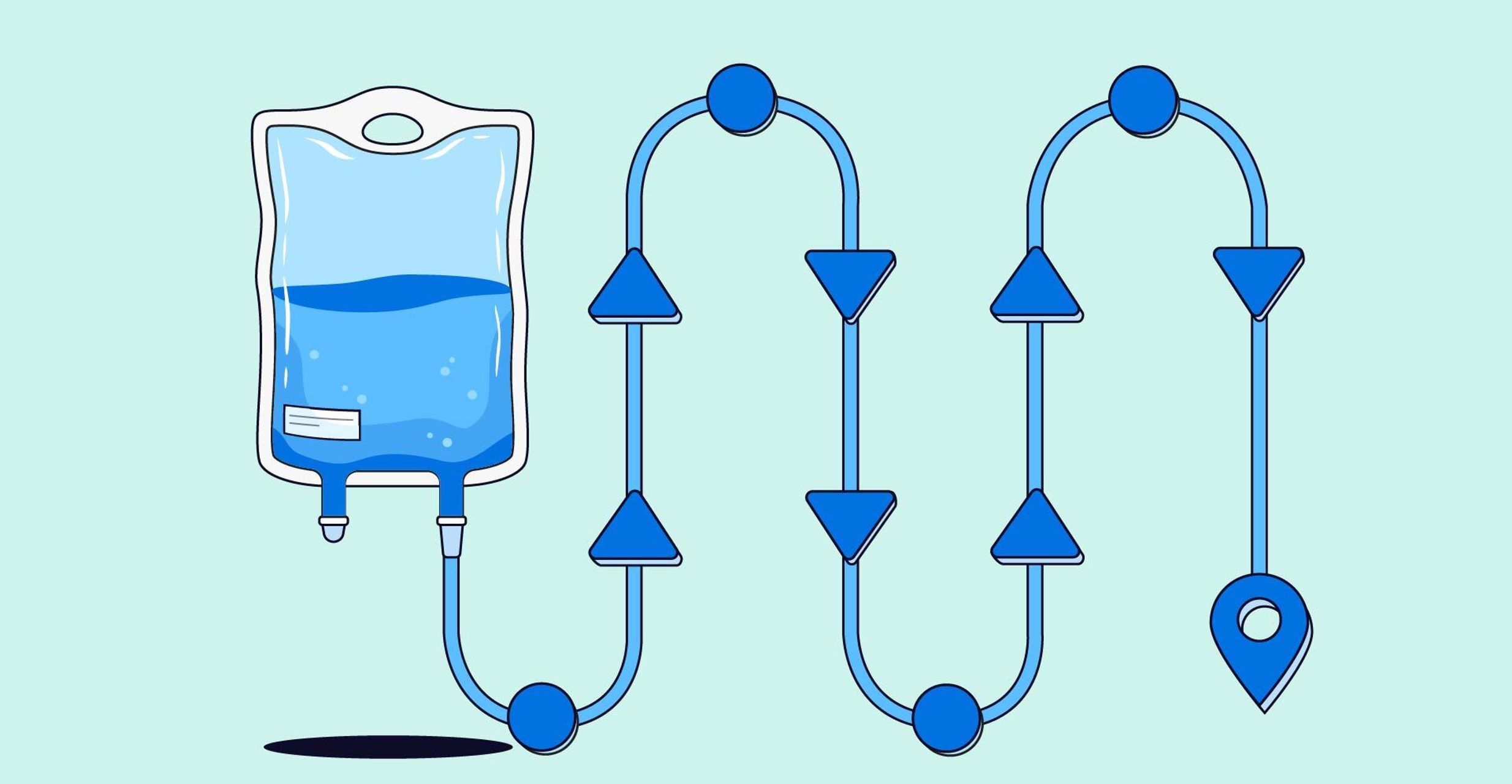
Mapping the patient journey can help you identify where patients need more information and how your media can help.
Katelyn Van Horn, media strategy and investment lead at Takeda, recommends looking for the “leaky moments” where patients or healthcare professionals (HCPs) encounter difficulties. Understanding those moments helps determine the message and the channel.
For example, if concerns about affordability prevent someone from considering treatment, information about available support may be useful earlier than the brand originally planned. Van Horn suggests testing that change, then adjusting the timing of specific messages for audiences with different needs.
Keeping media plans relevant also requires timely information. Gaurav Kane, director of media strategy and operations at Astellas, finds that some medical claims data arrives too late to reflect current intent. As a result, enterprise data agreements and more frequent updates can help inform HCP engagement.
For your next campaign, identify the information gap you want to address and the evidence that would prompt a change. This gives media and creative teams a shared reason to adjust the plan while it is running.
Understanding the patient journey also means considering how the advertising message feels to the person receiving it.
Witriol distinguishes patient marketing from HCP engagement, where prescribing and treatment patterns can help inform communications. With patients, he emphasizes that greater precision must be balanced with privacy and the patient experience.
His standard is relevance: useful information, delivered at an appropriate time, in a way the patient finds comfortable.
Applying that standard means asking media partners how they understand the patient journey, whether through observed behavior from credible sources or inferred signals, and how they handle consent and protect patient identity.
Those questions belong in planning discussions alongside reach and cost. They can help you assess whether an audience strategy is appropriate for the experience you want to create.
AI is adding another consideration to those early information needs.
Patrick Sullivan, senior business development director at The Trade Desk, cites company research finding that nearly 40% of survey respondents seek health-related answers via AI search engines before visiting a doctor. These conversations could change what patients know, what they ask, and how they encounter information before reaching a brand’s website.
For advertisers, that raises a practical planning question: What does your content contribute when someone has already researched their symptoms or condition?
Your marketing messages should help patients build on what they have already learned, whether they need more information about treatment options or help preparing questions for their doctor.
Our consumer health advertising guide offers additional research on how people seek information around diagnosis and treatment, helping you consider the role of media across those moments.
The person researching a condition may be a caregiver or family member. Witriol sees an opportunity for direct-to-consumer marketing to more intentionally account for the role caregivers play, particularly in oncology. They may conduct research or help initiate a difficult conversation with a physician.
For example, with patients primarily 65 and older, caregivers can help loved ones find information and prepare for conversations about their care.
When that role is relevant to your category, reflect it in your campaign. Consider the questions caregivers bring, the information they need to support a patient, and whether your creative speaks clearly to both audiences. A plan built solely around the diagnosed patient may overlook someone helping them take the next step.
Planning messaging around a patient’s journey to care requires messages that can change as patients and their caregivers learn.
Van Horn describes Takeda’s work toward bringing branded and unbranded DTC messaging into one demand-side platform to test how they work together. Someone who is not ready for branded content, for example, may benefit from more education about the condition or how treatment works.
That flexibility depends on media and creative teams sharing what they learn. Sari Applebaum, executive director and client investment lead at Omnicom, emphasizes giving creative teams visibility into the audiences media is reaching and the signals emerging from campaigns.
Omnicom’s Sari Applebaum describes a test with The Trade Desk in which adding connected TV to the media mix helped reach 33% more households. The findings prompted further questions about which creative, messaging, and timing contributed to valuable patient actions.
Creative can support a connected story while remaining clear and useful on its own. Since patients can encounter messages in an unexpected order, aim for ads that still make sense if someone misses an earlier part of the planned sequence.
Related reading
In an analysis of nearly 300 U.S. pharma campaigns, campaigns using at least two channels improved audience quality at twice the weekly rate of single-channel campaigns.
A journey-led plan gives measurement a more specific job.
According to Meg Barnett, director of Crossix strategy at Veeva, using all the patient signals available can help you understand what happens after an ad is seen. Pairing those signals with creative can help advertisers evaluate which messages are associated with different patient actions.
Before launching a test, agree on the action you hope to support, how you will evaluate it, and what the findings could change. Impressions and clicks can provide useful early feedback; downstream measures help you assess whether that activity is associated with the behavior you intended to influence.
Our trader’s guide to measurement explains how complementary approaches, including incrementality testing and marketing mix modeling, can help you evaluate media’s contribution.
Contact your representative at The Trade Desk to explore how to connect your pharma media strategy with the patient journey and outcomes that matter to your brand.
Perspectives from Andrew Witriol and Patrick Sullivan stem from “Planning and Activating DTC in a Privacy-First Media Environment”; Katelyn Van Horn, Sari Applebaum, and Meg Barnett participated in “Beyond Reach: Precision Creative for the Prescribing Journey”; and Gaurav Kane participated in “Buying and Activating Media Across a Fragmented Ecosystem.” The sessions took place at Fierce Pharma Week from Sept. 14 to 17, 2026.
This information is provided solely for background and is not a representation or guarantee of any future performance.
Source:
1. Your guide to reaching patients where it matters most. The Trade Desk Intelligence x YouGov, Short-Term and Long-Term Conditions, n=3,000, USA, February 2025.
Resources Data and measurement
Insights Omnichannel
Resources Data and measurement